A Million Bottles a Minute
Provided by: Learning for a Sustainable Future|Published on: February 14, 2024|Last updated: July 16, 2026
Grades: 4, 5, 6, 7, 8
Type: Lesson Plans
Subjects: Earth and Space Sciences, Engineering
Authors: Learning for a Sustainable Future
Location: Earth
This resource has been reviewed by SubjectToClimate's climate scientists and verified for scientific accuracy and up-to-date information. Learn about our review process →
This resource has been reviewed by SubjectToClimate's climate scientists and verified for scientific accuracy and up-to-date information. Learn about our review process →
Synopsis
- This comprehensive lesson plan introduces students to the global impact of plastic use and environmental solutions they can participate in.
- Students will learn about how plastics affect the environment, the problem of hidden plastics, how plastic use and production can improve to resemble a circular economy, and how students can help alleviate the ever-increasing issue of single-use plastic.
- The workshop slides and resources include various learning activities with opportunities for note-taking, class discussions, small-group tasks, creative thinking, hands-on games, and academic writing.
Teaching Materials
Positives
- The teacher resource PDF includes links to additional videos, fact sheets, worksheets, and games.
- The video presentation of the workshop is a convenient resource for virtual learning days.
Additional Prerequisites
- Teachers will need internet access and access to a color printer.
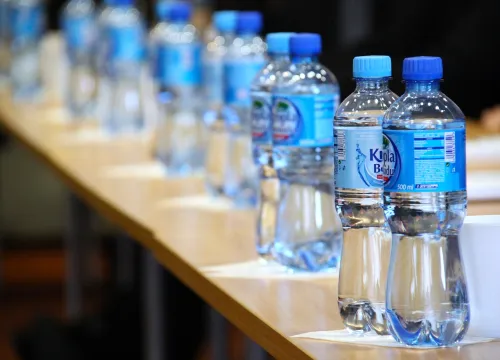
- Since the workshop is titled "A Million Bottles A Minute," teachers may wish to provide a visual representation of a million.
- If you are having students extend their learning with the My Little Plastic Footprint app, note that it may only work on tablets and smartphones, not computers or Chromebooks.
Differentiation
- Teachers can extend this workshop in cross-curricular contexts and across multiple days.
- Teachers wishing to use this workshop as a cross-curricular unit can begin with English teachers having students read the introduction, science teachers presenting Slides 1-22, social studies teachers showing Slides 23-40, and ending with English students and completing the culminating Commitment To Action worksheet.
- Students can research more examples of a circular economy and research life-cycle analyses of products that interest them.
- After this workshop, teachers can discuss how circular economies can reduce the effects of climate change.
This resource contains materials to teach students the basics about plastic pollution and the impacts of plastic pollution. The materials also help students think about what they and society can do to reduce pollution. While the resource doesn't specifically mention climate change, many of the concepts in this lesson relate to climate change, such as overuse, reduction of waste, and circular economies. The information presented is accurate, and this resource is recommended for teaching.
Teaching Tips
Standards
Resource Type and Format
Scientist Reviewed
This resource has been reviewed by SubjectToClimate's climate scientists and verified for scientific accuracy and up-to-date information. Our review process ensures that every resource in our library reflects the current state of climate science.
Learn about our review process →